Wichita Mountains National Wildlife Refuge
The Oklahoma National Wildlife Refuges aren't for everyone, but I made a mistake of going into a refuge at a young age, and perhaps I can keep others from stepping into the same trap.
I first went to Little River National Wildlife Refuge soon after the refuge was established in 1987. I stayed three nights at a nearby hotel and walked the refuge during the day doing a songbird count for the refuge manager. (Okay, I really wasn't doing the bird count. I was just acting the part and was with someone who had experience in bird studies.)
During one expedition with the wildlife manager into the heart of the refuge, he stopped his vehicle to move a turtle from the grassy, employee-only road so his vehicle wouldn't squash the reptile. Then he took me and my partner and stopped somewhere deep in the refuge. We were loaned an expensive spotting scope and we were supposed to record birds we saw in the swamp that morning.
Then the manager took us to a log across a crevasse, and as I inched over it and he remained on the other side, he said, "That mud's not as soft as it looks." It looked like a thin layer of wet dirt over centuries of packed rock and dinosaur bones. If I fell, I was going to get hurt and I'd be dragged out—eventually—covered in mud for the trip to the hospital.
His directions were something like..."Go left at the big oak tree, right at the cedar thicket, and after the tree with the knot on it, go six feet and turn to the right again...and then when it's time for me to pick you up at lunchtime, retrace your steps." In hindsight, I would have taken some florescent tape to mark the path. I could have taken it down on the way back and left nothing but footprints...if I returned... And I wasn't so reluctant to hike into a swamp area which had poisonous snakes, but more scared I wouldn't be able to get out.
Yep. He moved the turtle out of the way and dropped me off in a snake-filled swamp area. And this was without cell phone service.
A brochure says American alligators are in these oxbow lakes. l didn't see the alligator that I was hoping for which just goes to show how you usually don't see nature on your timeframe but on nature's, and you can't count on seeing every critter in the place.
I was moving around in the refuge for three days...and I wasn't sure how I would like it. After seeing a few slithering movements on the ground, I said that I was leaving after I saw five snakes. Finally, I had to guess I was seeing the same snakes over and over so I wouldn't be a liar.
We kept our records of the birds we saw, and I relied on the former ornithology student to do the real heavy lifting and heavy navigating. We heard a tree crashing to the ground and saw other evidence of true nature. Birds lived in a world of their own and relatively few people had traipsed into this swamp area. The natural inhabitants didn't even seem aware of us.
So, if I had a rating system of one to five alligators, sadly I would not be able to give this experience even one alligator. If I was using a snakes rating, it would be a five plus.
I survived! And so did the refuge. And maybe that was when I got trapped. Like
a tourist deer in the headlights. I had survived repeated snake sightings and sadly, had a grand time. The trap for me was set. I had already heard about Salt Plains National Wildlife Refuge.
During one expedition with the wildlife manager into the heart of the refuge, he stopped his vehicle to move a turtle from the grassy, employee-only road so his vehicle wouldn't squash the reptile. Then he took me and my partner and stopped somewhere deep in the refuge. We were loaned an expensive spotting scope and we were supposed to record birds we saw in the swamp that morning.
Then the manager took us to a log across a crevasse, and as I inched over it and he remained on the other side, he said, "That mud's not as soft as it looks." It looked like a thin layer of wet dirt over centuries of packed rock and dinosaur bones. If I fell, I was going to get hurt and I'd be dragged out—eventually—covered in mud for the trip to the hospital.
His directions were something like..."Go left at the big oak tree, right at the cedar thicket, and after the tree with the knot on it, go six feet and turn to the right again...and then when it's time for me to pick you up at lunchtime, retrace your steps." In hindsight, I would have taken some florescent tape to mark the path. I could have taken it down on the way back and left nothing but footprints...if I returned... And I wasn't so reluctant to hike into a swamp area which had poisonous snakes, but more scared I wouldn't be able to get out.
Yep. He moved the turtle out of the way and dropped me off in a snake-filled swamp area. And this was without cell phone service.
A brochure says American alligators are in these oxbow lakes. l didn't see the alligator that I was hoping for which just goes to show how you usually don't see nature on your timeframe but on nature's, and you can't count on seeing every critter in the place.
I was moving around in the refuge for three days...and I wasn't sure how I would like it. After seeing a few slithering movements on the ground, I said that I was leaving after I saw five snakes. Finally, I had to guess I was seeing the same snakes over and over so I wouldn't be a liar.
We kept our records of the birds we saw, and I relied on the former ornithology student to do the real heavy lifting and heavy navigating. We heard a tree crashing to the ground and saw other evidence of true nature. Birds lived in a world of their own and relatively few people had traipsed into this swamp area. The natural inhabitants didn't even seem aware of us.
So, if I had a rating system of one to five alligators, sadly I would not be able to give this experience even one alligator. If I was using a snakes rating, it would be a five plus.
I survived! And so did the refuge. And maybe that was when I got trapped. Like
a tourist deer in the headlights. I had survived repeated snake sightings and sadly, had a grand time. The trap for me was set. I had already heard about Salt Plains National Wildlife Refuge.
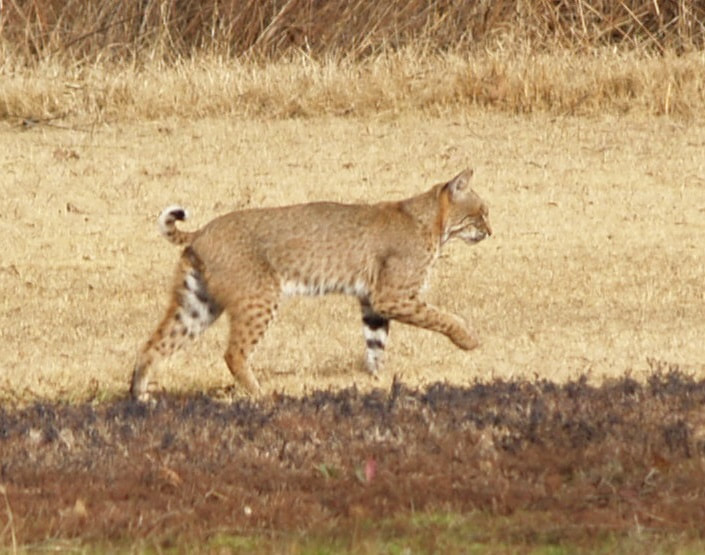
I had been told great things about this place. And the first time I went, it was really cold, and I saw a bobcat. I don't remember much else about it except it was cold and the bobcat gave me a glare and left. I could tell I wasn't welcome.
I knew there was more to the refuge but I didn't stop at the ranger's office and ask questions. So, I missed a few things.
It does have a seasonal digging area for selenite crystal, which is not like crystal stemware or chandeliers. Expect rocks formed into the shape of crystals yet hidden under salt. I'm not kidding. There's enough salt there to fill up every saltshaker in Oklahoma. A lake of it. And later I found out that in WWII we had dropped some little practice bombs in the area, and if I found a bomb, I wasn't to touch it.
That did make it more interesting to me and I think I learned on the first NWR visit not to touch everything I see in the woods. More about that later.
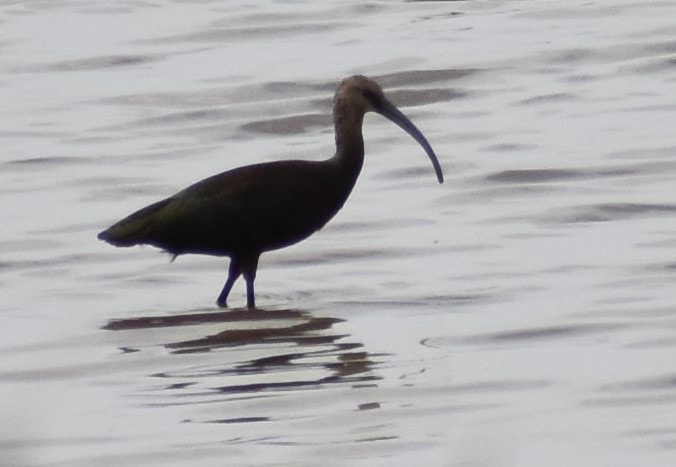
I was missing something at Salt Plains, and I knew it. Salt Plains NWR is considered an Important Birding Area. The caps aren't mine. And it's a Member of the Western Shorebird Reserve Network. I'd never heard of them. I'm not really a birder, although my friends seem to think otherwise.
I gave it another try. Many tries. Because I just kept seeing birds I wasn't used to seeing, and I wanted to see the major bird thing. You know, the major bird thing that causes this to be called an Important Birding Area.
Again, I drove in and I saw a bunch of birds flying over my head as they left the area. Missed it... Although I did have an enjoyable morning as the auto loop tour was open.
But, those birds seemed to have my number. And I was not happy with that. It was a matter of honor now.
So I started watching the refuge Facebook page. It's not like they'll give you a call to let you know the birds are there. You have to put in some work. Some clicks.
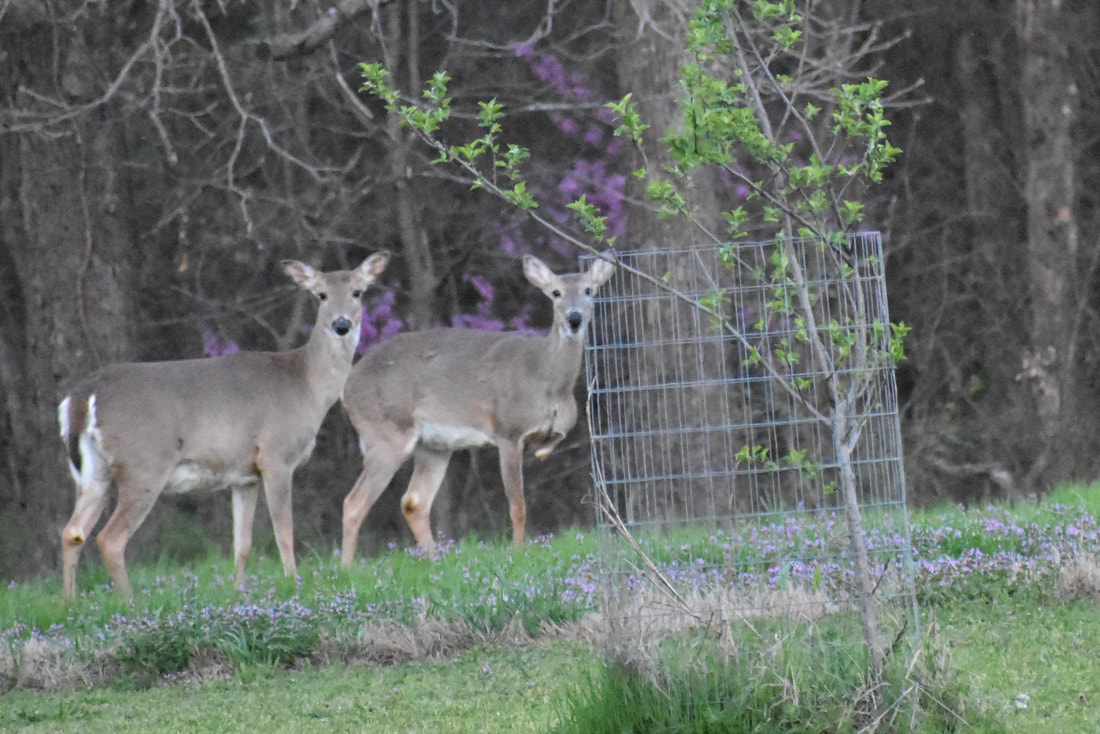
And when the birds landed, I planned my trip, still not even really knowing what to expect. And then I got a late start. Mornings are better for critter viewing, and I know that. You snooze, you lose...or you stumble upon an eagle looking for lunch, or a whitetail buck running along the road, or a Rio Grande turkey popping out.
The critters were moving, and I had my hopes up for the Important Birding Area.
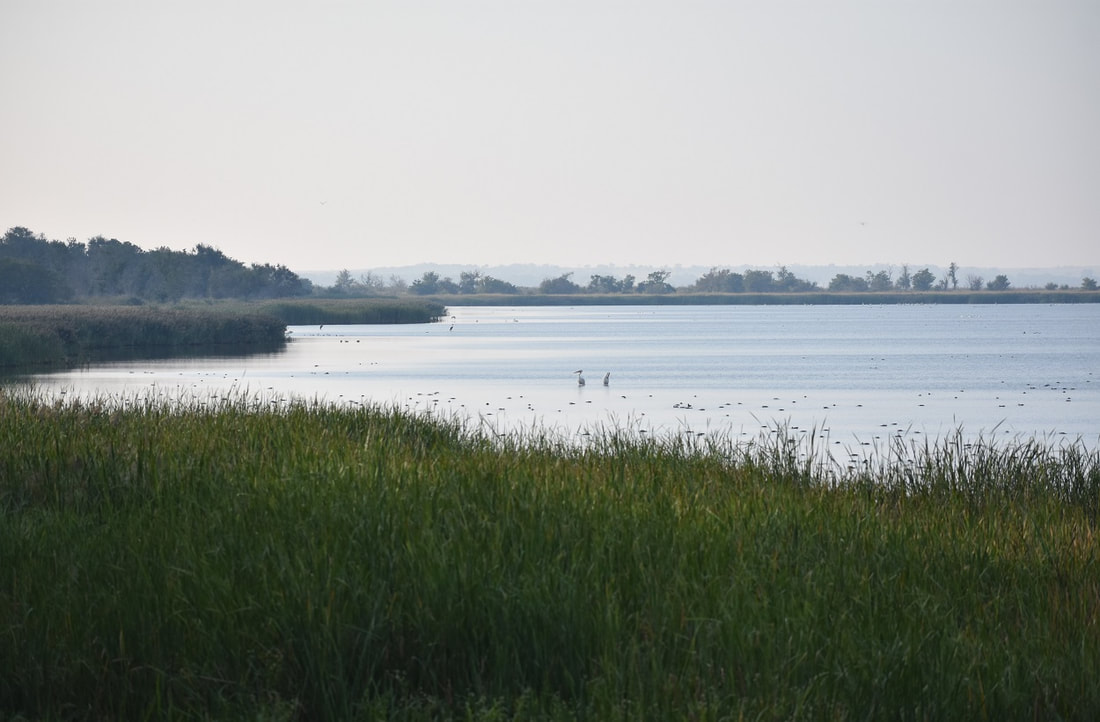
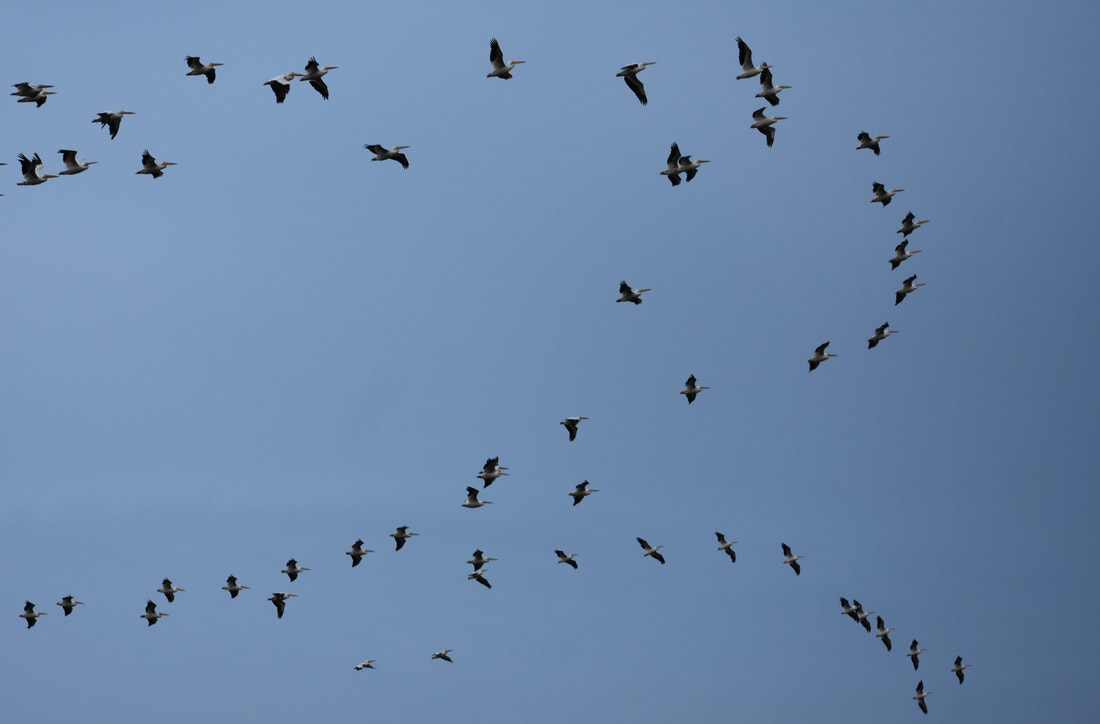
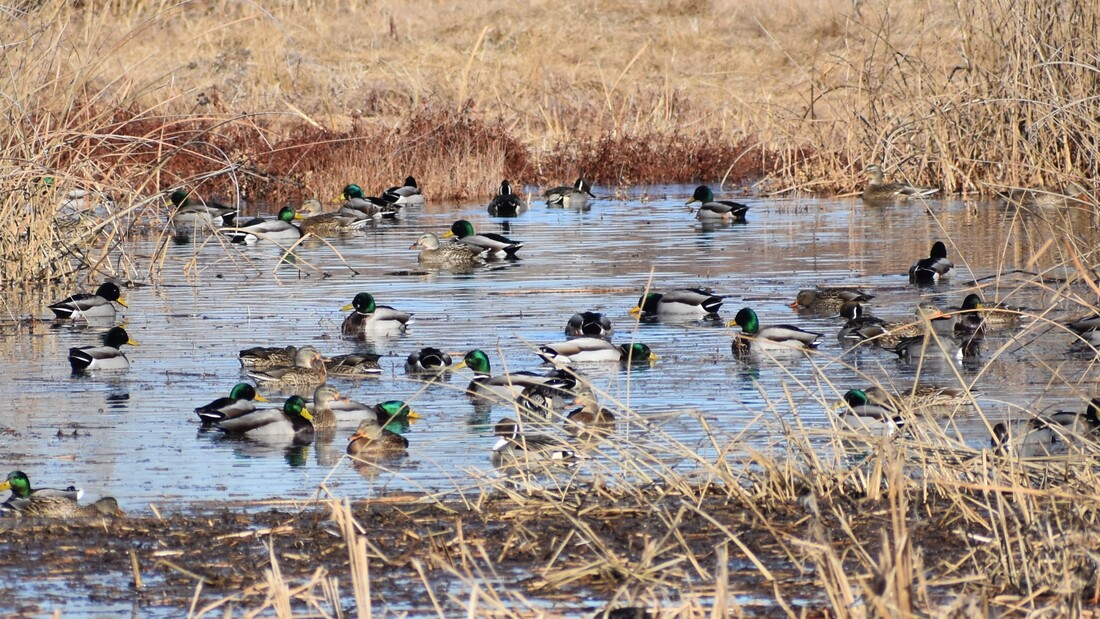
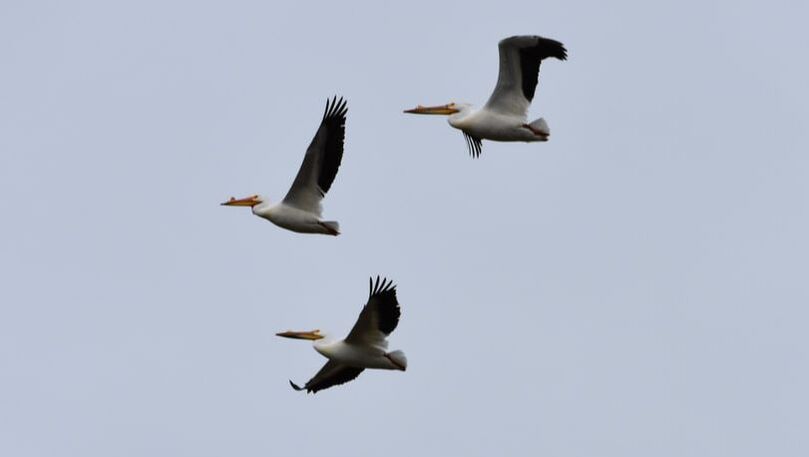
Then, as I was going into the refuge that morning, I saw flocks and flocks and flocks of birds flying out of the refuge. A sky of birds avoiding me.
"Stop," I cried out to my husband, "I've got to get a photo." I knew better than to shout at the birds. They won't listen and it is illegal to disturb nature in some wildlife areas. Thankfully it's not illegal to disturb a husband. He did stop briefly. But he had some blasted idea about getting to the refuge to see more birds. I thought I had seen so many flying over that there couldn't be many birds left in the area.
We got there, and I heard the loudest sounds of birds calling that I had ever experienced. And you are not issued hearing protection. Nope. You have to tough it out.
So, only about half of the birds were there. Not all of them had flown over me as I was entering the refuge. Imagine what seems to be about 10,000 birds flying over you in V shaped flocks and then another 10,000 or so in front of you. (Check Facebook for the website's official numbers.)
But now I was satisfied with the capital letters. Important Birding Area. Check that off the list.
You do have to take care, though. Once on the trail, I had to step aside to avoid the poop of some animal that had been eating hackberries.
But I wasn't a junior wildlife enthusiast anymore. I didn't stick my finger in it like I did at Little River. I had learned that just because you see something shiny glinting on the ground, or something really unusual, it doesn't mean you need to pick it up. I strongly advise against it. That rule to leave things undisturbed is not just for the animals' protection.
So, if I were rating this in saltshakers, I would have to give it five saltshakers out of five. Not a single one of the birds flying overhead bombed me with any kind of projectile.
By the time I saw the Major Bird Thing, I had already discovered the Wichita Mountains Wildlife Refuge.
In most places an oasis is a little burst of green in a barren area. This could be considered a little burst of mountainous oasis on the plains, and yet it seemed so much more.
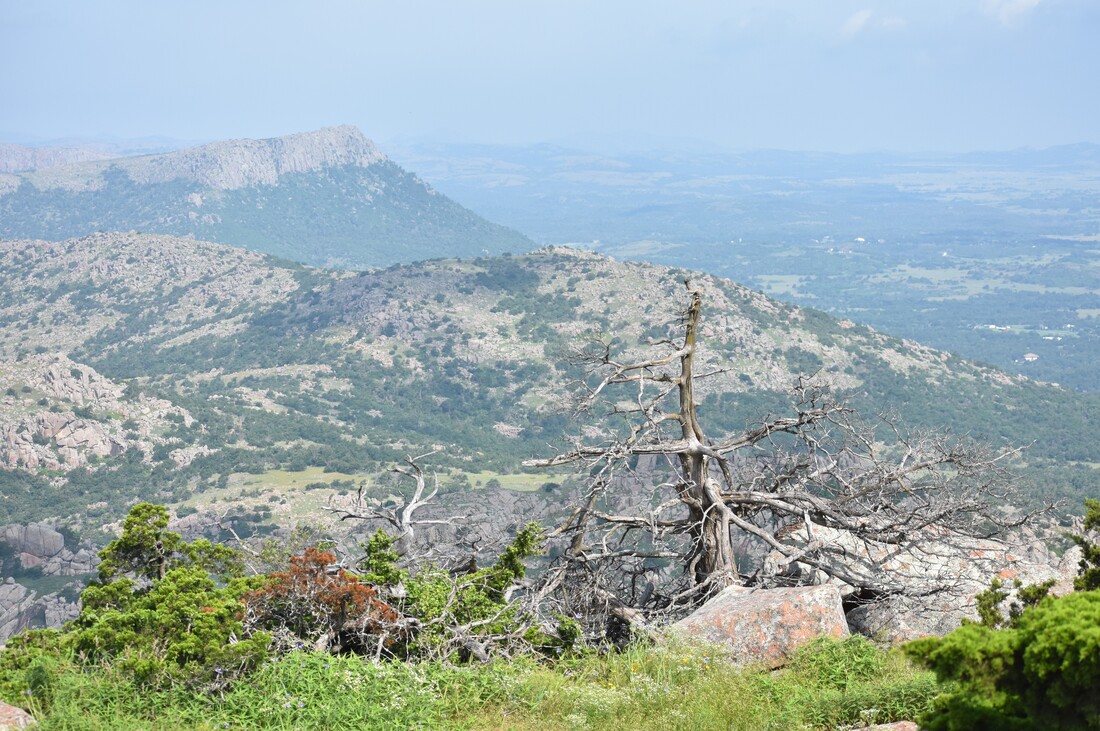
According to one of the brochures I have, the WMNWR, set aside in 1901, is one of the most visited refuges in the United States.
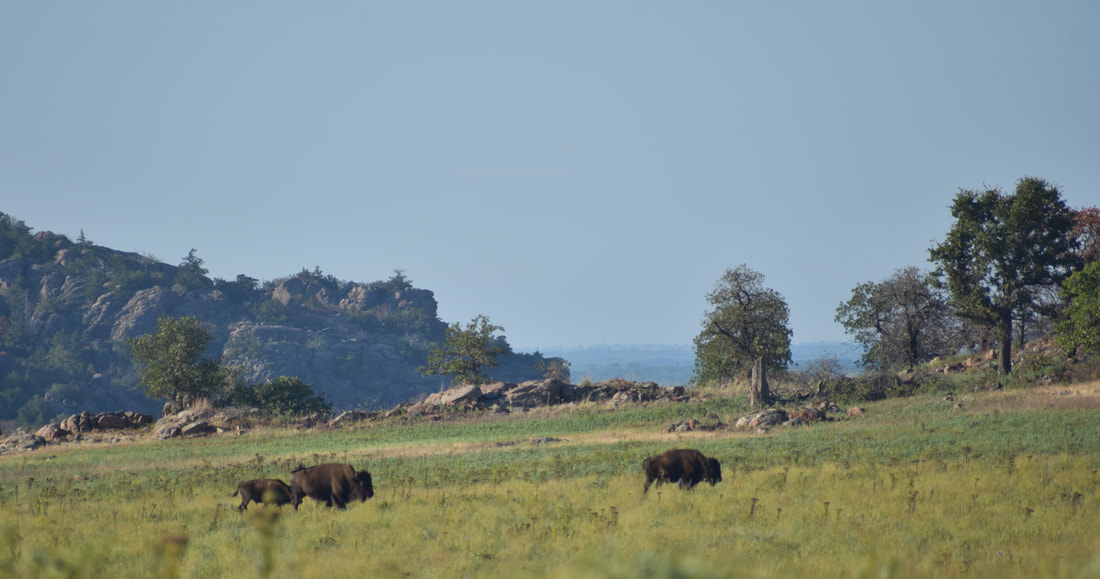
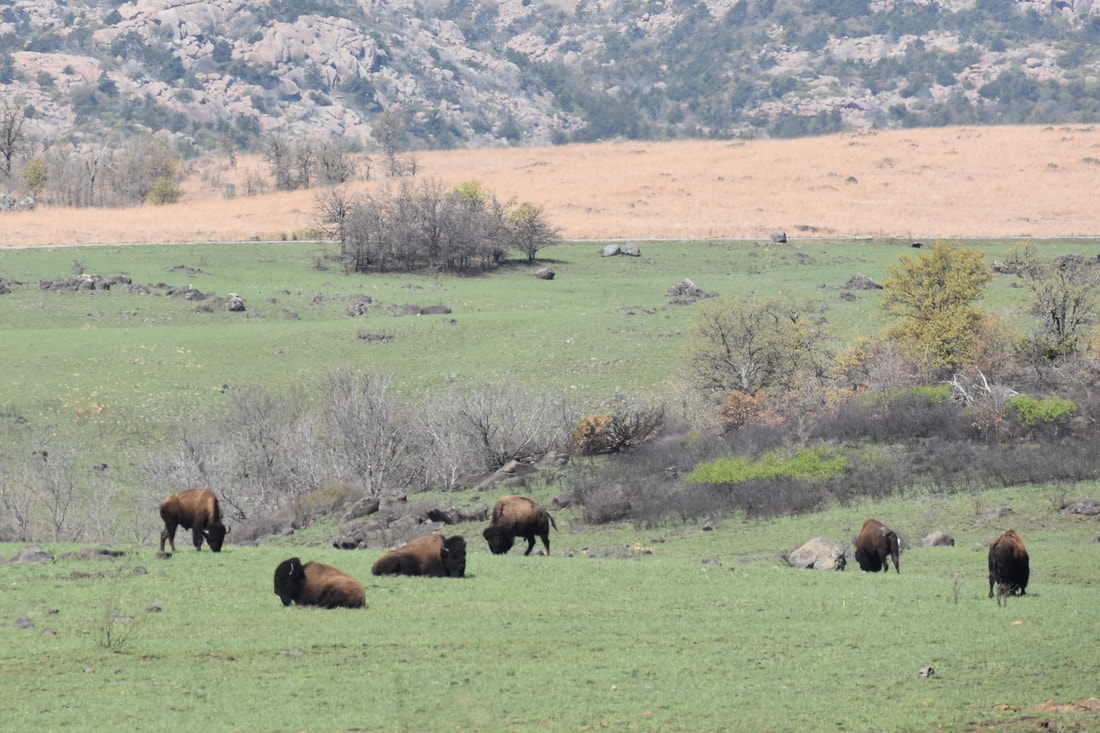
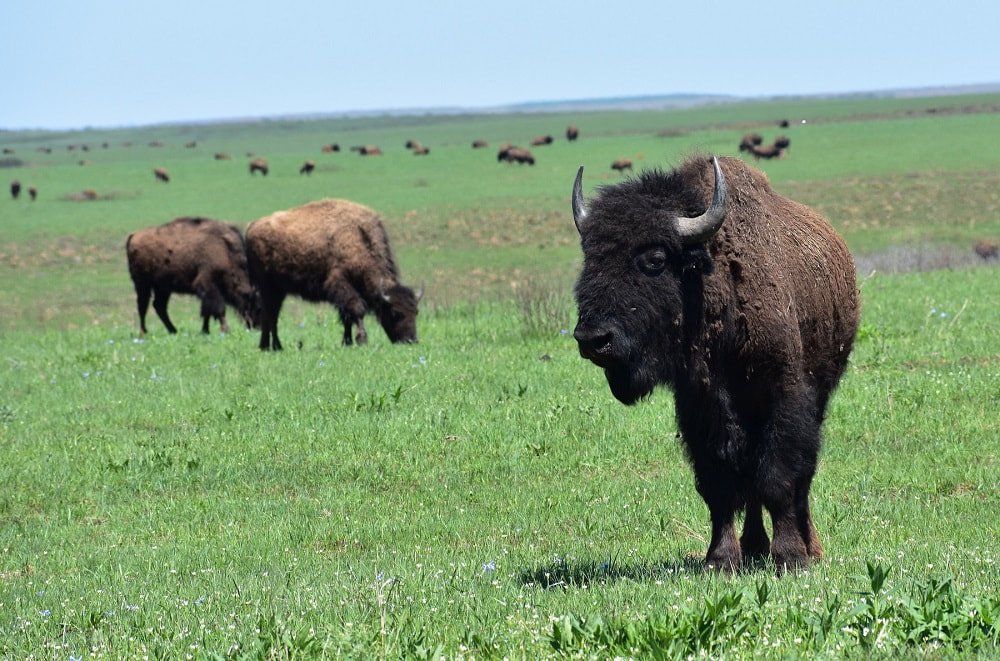
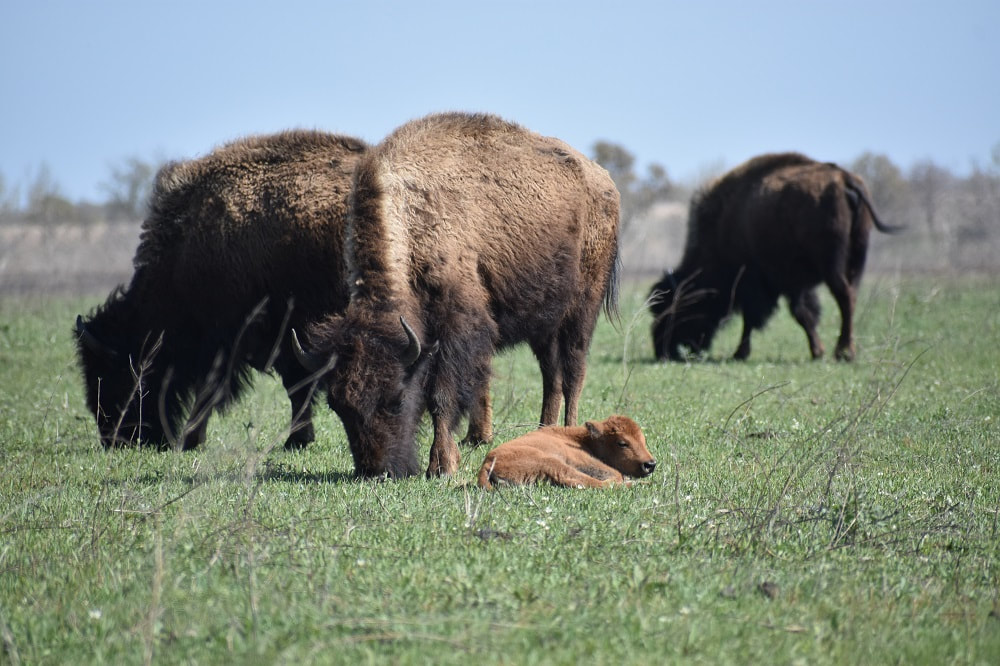
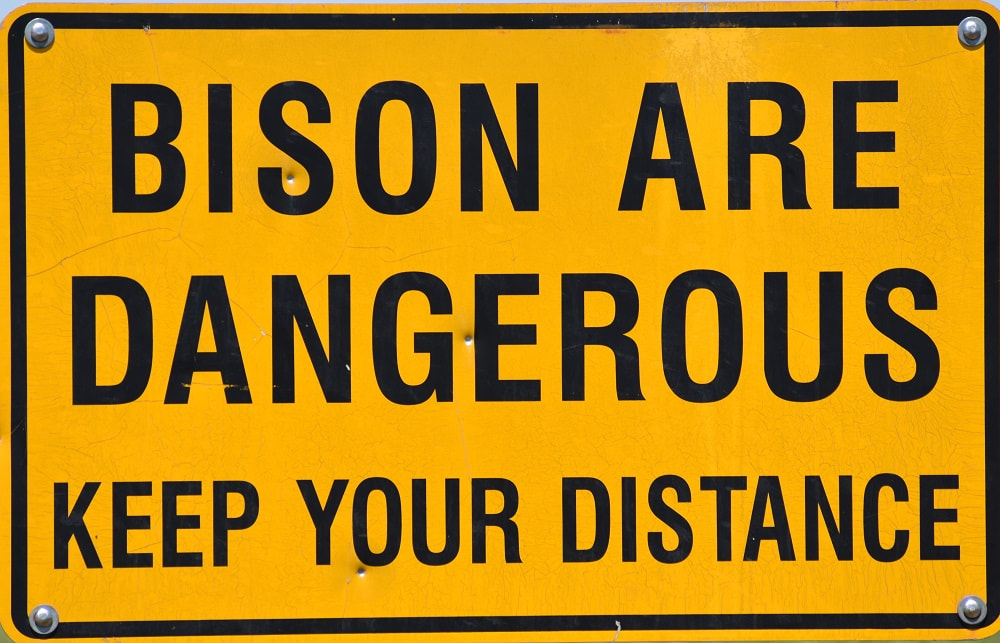
I shouldn't say anything about this one if it's visited a lot. So, I'll keep it brief. The bison seem friendly, but you never know. They can be irritable, and if you've ever seen the meme of the bison with the outline of tourists on his shoulder to denote the ones he's sent on their way, you'll know what I'm talking about. I'm not even rating this refuge.
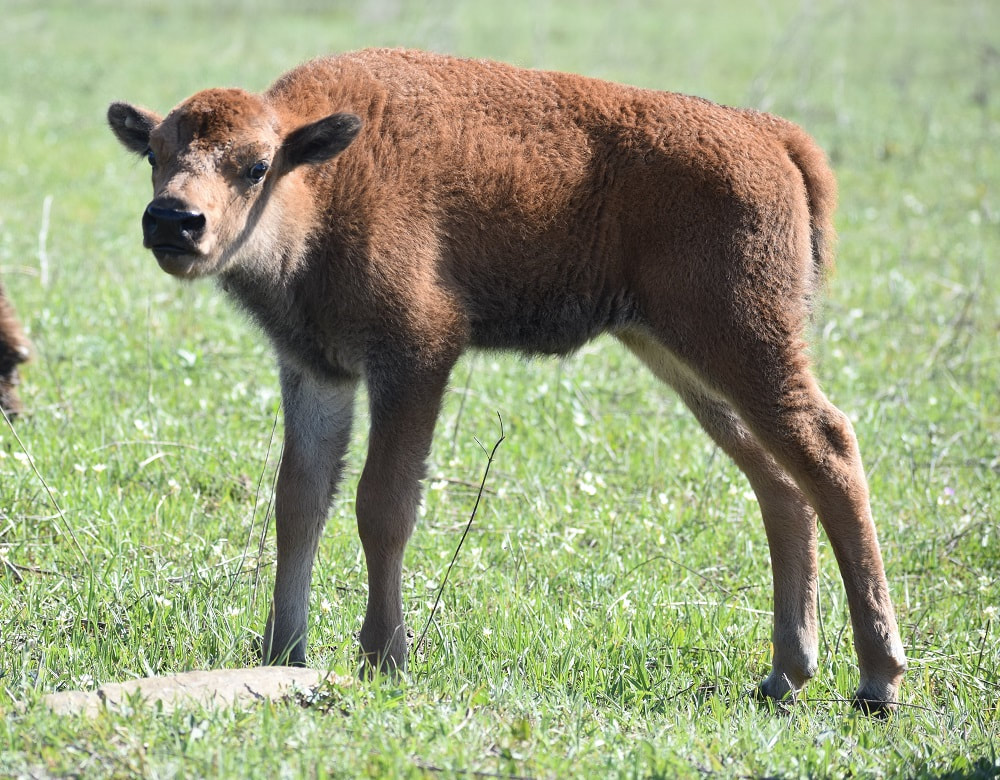
But if I were a bison, I would give it a 0 tourists rating. The bison believe they were there first. We kinda displaced them, but they have reclaimed their space.
I only saw maybe five bison on the first visit, but later I would see many. Something else captured me on those first few visits. One thing was the spirituality of the views.
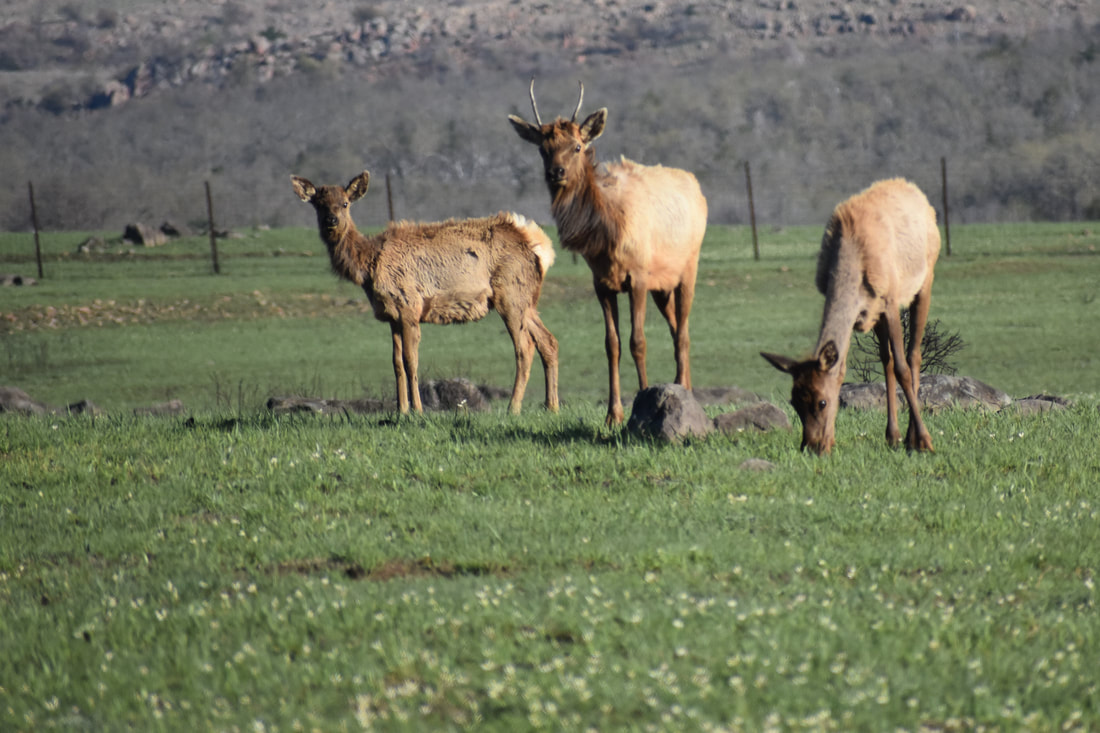
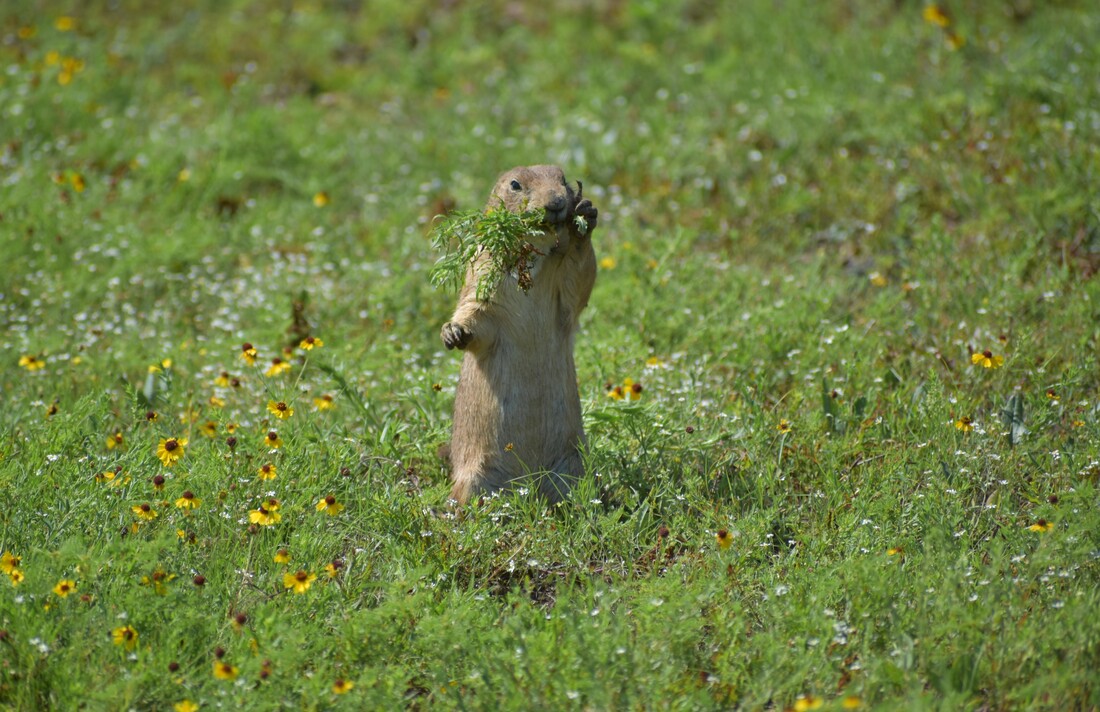
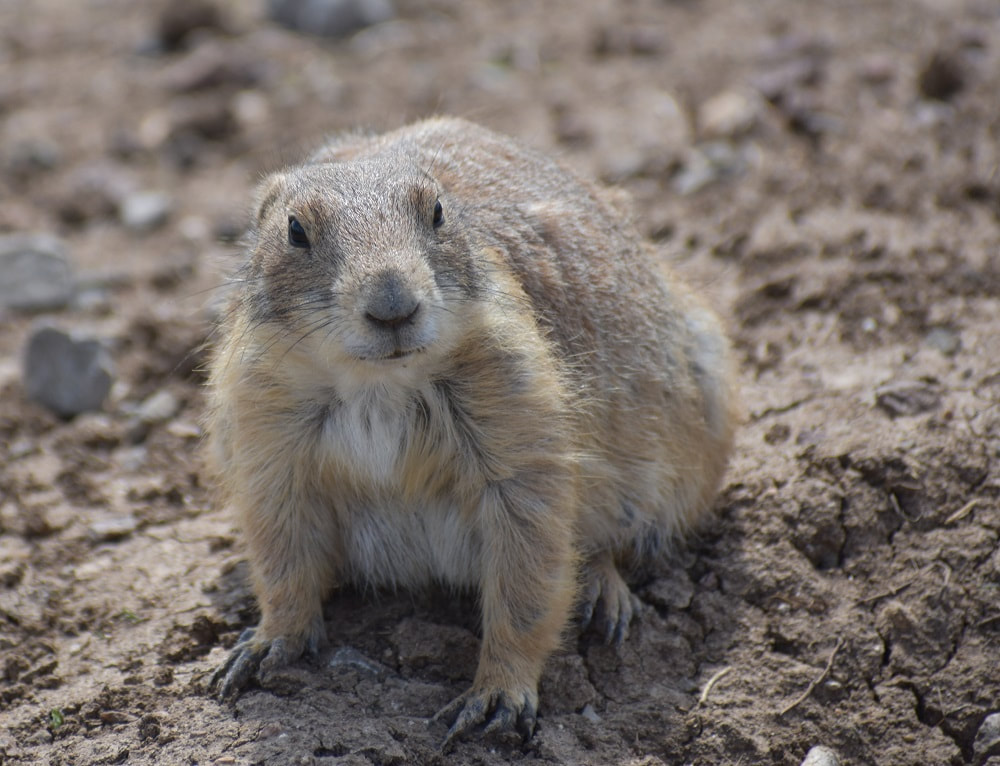
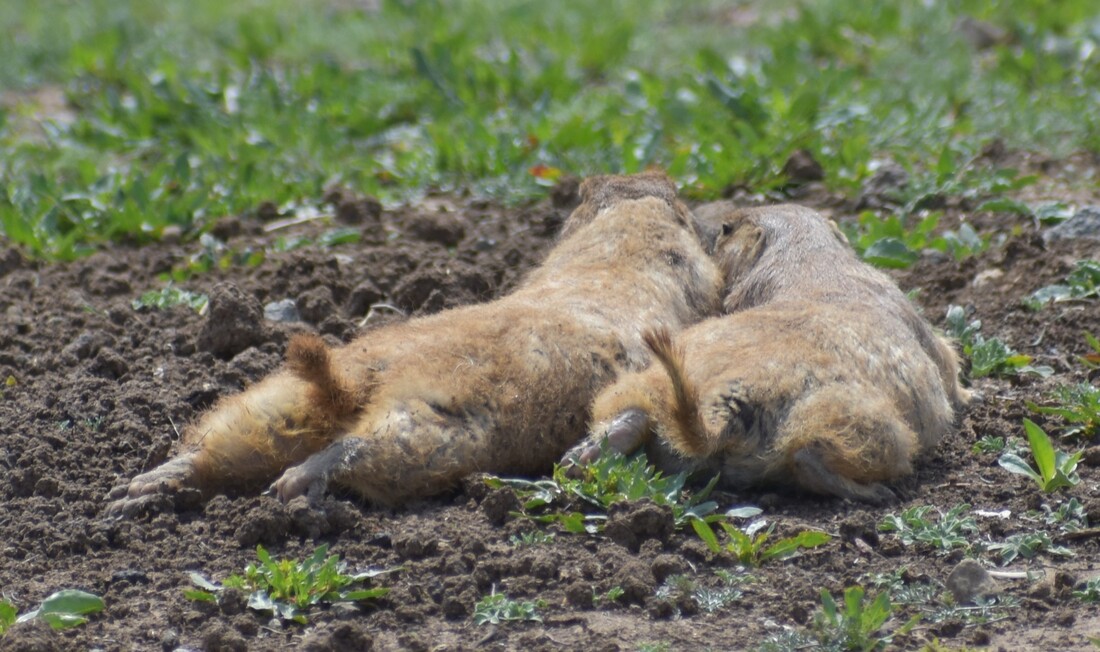
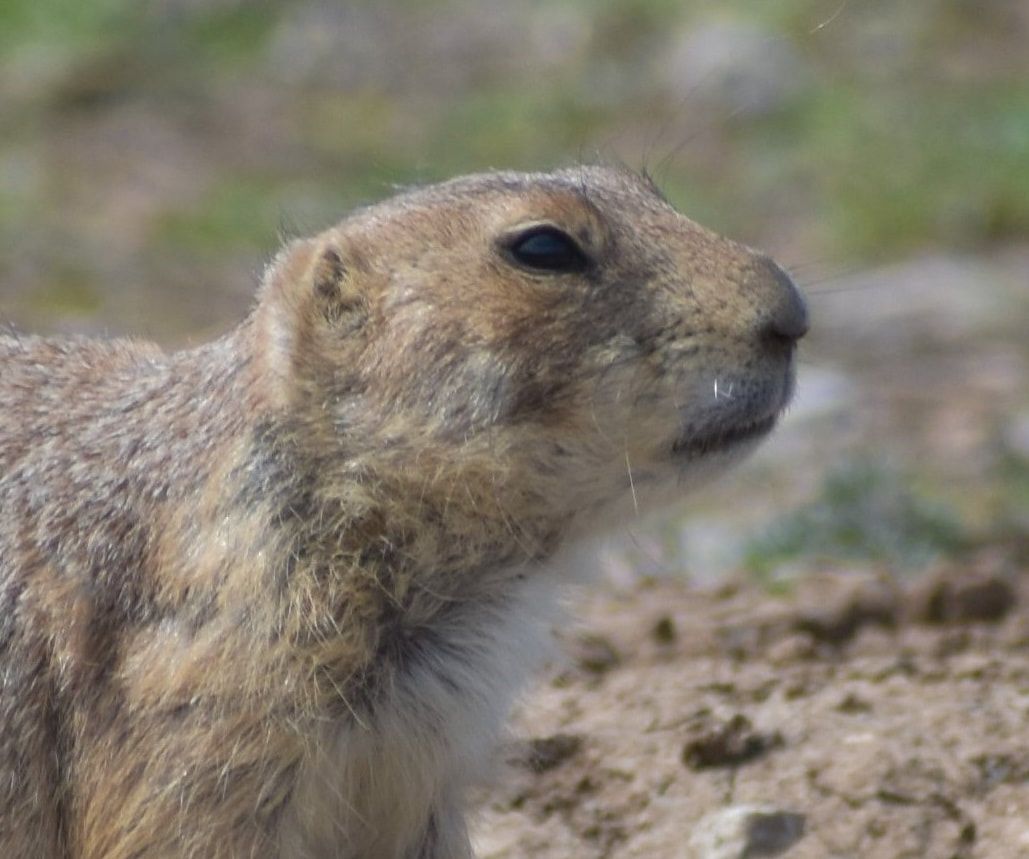
The other thing was the innocence of the little prairie dogs. Those little barkers with their high-pitched calls stick close to the road, and they have the right-of-way. Every critter in here has the right-of-way—the turkeys, the elk, the bison and even the wild Texas longhorns that graze along the road sometimes, or near the picnic areas. I haven't spotted one of the river otters on the road so I guess they have more manners than the others but they seemed like little rascals when they were cavorting in Lost Lake and Jed Johnson Lake.
I would say this refuge is the one you're most likely to have to brake for wildlife. So you might want to avoid it if you are ever in a hurry. It's just not a place for people in a hurry unless they're hiking to the top of Mount Scott, or they're a biker.
I shouldn't say anything about this one if it's visited a lot. So, I'll keep it brief. The bison seem friendly, but you never know. They can be irritable, and if you've ever seen the meme of the bison with the outline of tourists on his shoulder to denote the ones he's sent on their way, you'll know what I'm talking about. I'm not even rating this refuge.
But if I were a bison, I would give it a 0 tourists rating. The bison believe they were there first. We kinda displaced them, but they have reclaimed their space.
I only saw maybe five bison on the first visit, but later I would see many. Something else captured me on those first few visits. One thing was the spirituality of the views.
The other thing was the innocence of the little prairie dogs. Those little barkers with their high-pitched calls stick close to the road, and they have the right-of-way. Every critter in here has the right-of-way—the turkeys, the elk, the bison and even the wild Texas longhorns that graze along the road sometimes, or near the picnic areas. I haven't spotted one of the river otters on the road so I guess they have more manners than the others but they seemed like little rascals when they were cavorting in Lost Lake and Jed Johnson Lake.
I would say this refuge is the one you're most likely to have to brake for wildlife. So you might want to avoid it if you are ever in a hurry. It's just not a place for people in a hurry unless they're hiking to the top of Mount Scott, or they're a biker.
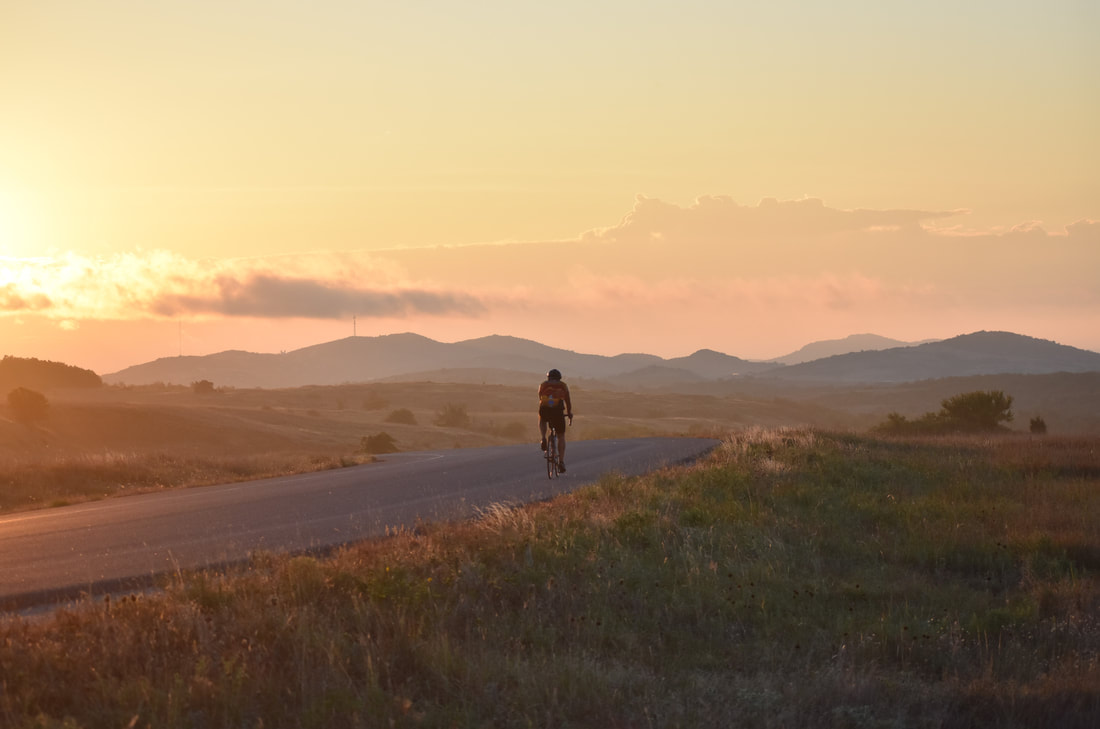
So, you might have to adjust your speed, and if you're an impatient person, refuges are not for you. I would say, Stay Out.
Remember, refuge inhabitants don't operate on a person's time frame, but their own.
Remember, refuge inhabitants don't operate on a person's time frame, but their own.
Plus, if you're a foodie, and you like restaurants, this might not be the place for you. Sometimes the visitor center could be closed, and you might not be able to buy a soda. I take my trusty picnic tote and water because once I get there, I don't want to leave right away. It kinda draws me in...because I'm caught in that trap set by nature.
Even aside from the birds, the trap isn't always quiet either. Bison can give a snort, elk can bugle in the fall at WMNWR, and those little prairie dogs can get vocal and you don't want to get on their bad side or they'll disappear into their burrows.
Which we people should probably take a lesson from and stay in our own little burrows. And I suppose most Oklahomans avoid our nine National Wildlife Refuges because you really can step in critter poop. Or see something really kinda unpleasant...
And I'm not including every negative thing about going to wildlife areas. There's a lot, especially if you're used to waitresses asking if you would like a refill.
If you're not a person who can relax against a vehicle, chowing down from a packed lunch, and be okay with the fact that you forgot the hot dog mustard, then refuges might not be your cup of tea, coffee, milk or water. Wildlife areas are here for nature. They're the sunrise of a nature lover's life, too. And it's been hard for me to accept that they aren't for everyone, but it's true.
If you're wondering if this type of trip is your weakness and you're in Oklahoma, you can usually visit a NWR within a few hours of your home. So far, I have paid $0 in entrance fees for the ones I have visited, although State Parks might charge a parking fee. (There is a difference between Salt Plains State Park and the Salt Plains National Wildlife Refuge.)
Starting in the panhandle and going right we have Optima, Salt Plains in the more central area of the state, and on the east side the Ozark Plateau.
In more central OK, starting at the left, we have Washita, Deep Fork more centrally, and Sequoyah closer to the Arkansas line.
Nearer the southern OK border, there's the Wichita Mountains, Tishomingo and in the right southern area, we have Little River.
And I've heard other countries have incredible nature areas, and if I lived somewhere else, I would be able to tell you about their animals, but those are other's stories.
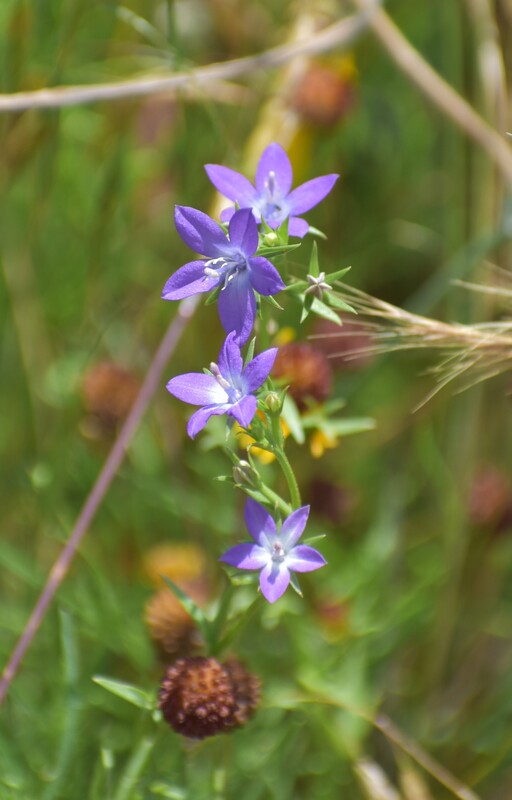
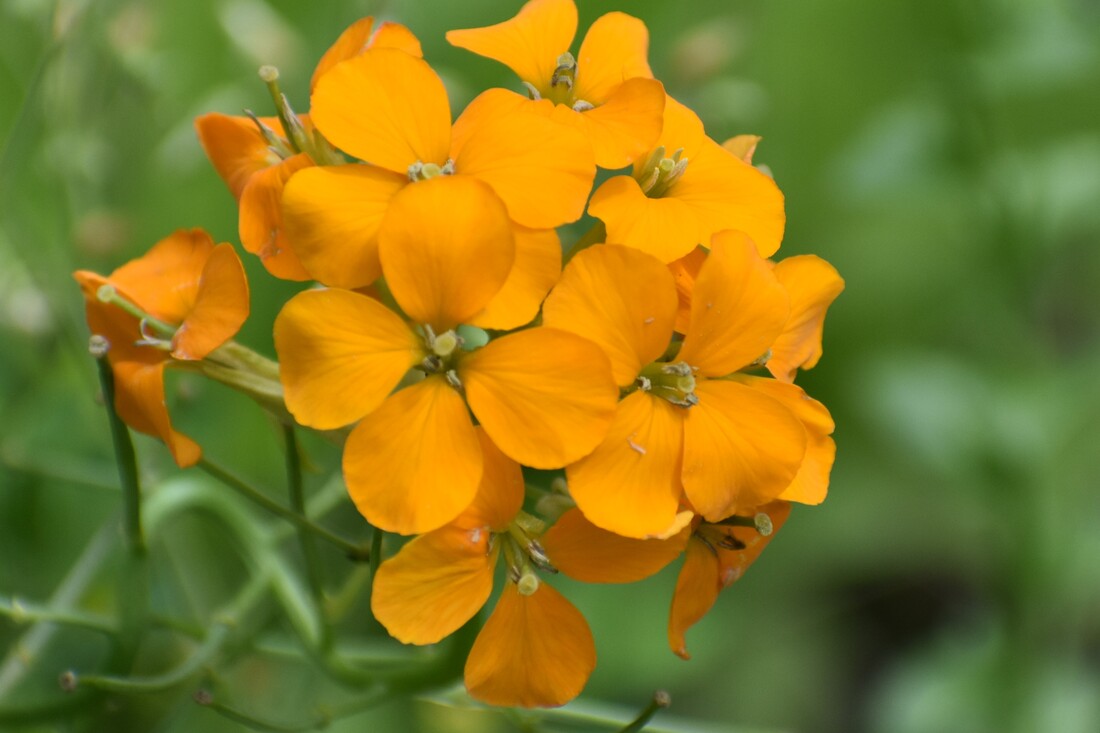
Each area is very individual and each visit is different. The time of year matters, and the time of day even matters. You won't even necessarily see the same wildflowers in the same spots year after year. You can't really expect a rerun.
I guess that's part if how nature captured me.
Even aside from the birds, the trap isn't always quiet either. Bison can give a snort, elk can bugle in the fall at WMNWR, and those little prairie dogs can get vocal and you don't want to get on their bad side or they'll disappear into their burrows.
Which we people should probably take a lesson from and stay in our own little burrows. And I suppose most Oklahomans avoid our nine National Wildlife Refuges because you really can step in critter poop. Or see something really kinda unpleasant...
And I'm not including every negative thing about going to wildlife areas. There's a lot, especially if you're used to waitresses asking if you would like a refill.
If you're not a person who can relax against a vehicle, chowing down from a packed lunch, and be okay with the fact that you forgot the hot dog mustard, then refuges might not be your cup of tea, coffee, milk or water. Wildlife areas are here for nature. They're the sunrise of a nature lover's life, too. And it's been hard for me to accept that they aren't for everyone, but it's true.
If you're wondering if this type of trip is your weakness and you're in Oklahoma, you can usually visit a NWR within a few hours of your home. So far, I have paid $0 in entrance fees for the ones I have visited, although State Parks might charge a parking fee. (There is a difference between Salt Plains State Park and the Salt Plains National Wildlife Refuge.)
Starting in the panhandle and going right we have Optima, Salt Plains in the more central area of the state, and on the east side the Ozark Plateau.
In more central OK, starting at the left, we have Washita, Deep Fork more centrally, and Sequoyah closer to the Arkansas line.
Nearer the southern OK border, there's the Wichita Mountains, Tishomingo and in the right southern area, we have Little River.
And I've heard other countries have incredible nature areas, and if I lived somewhere else, I would be able to tell you about their animals, but those are other's stories.
Each area is very individual and each visit is different. The time of year matters, and the time of day even matters. You won't even necessarily see the same wildflowers in the same spots year after year. You can't really expect a rerun.
I guess that's part if how nature captured me.
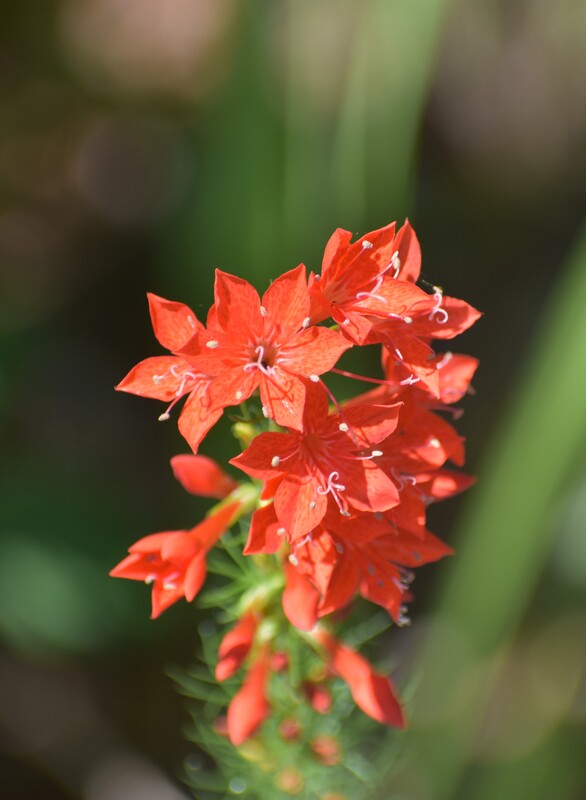
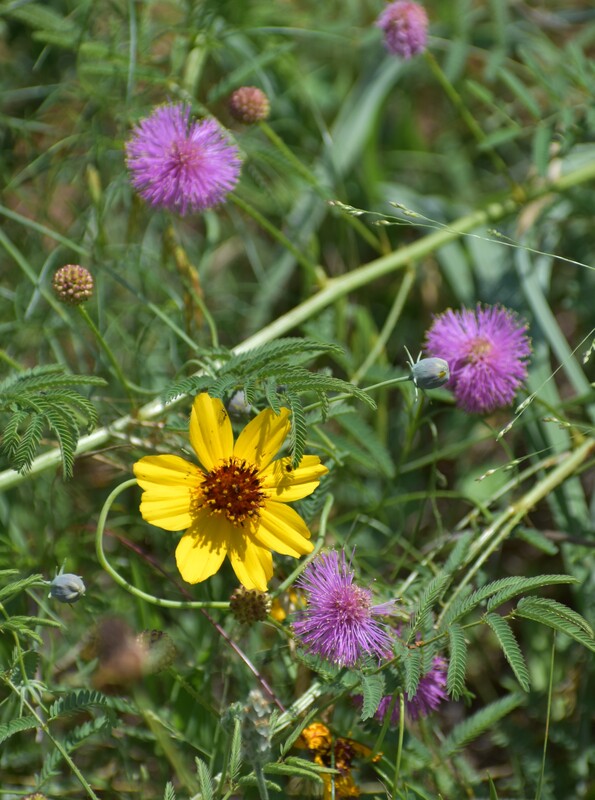
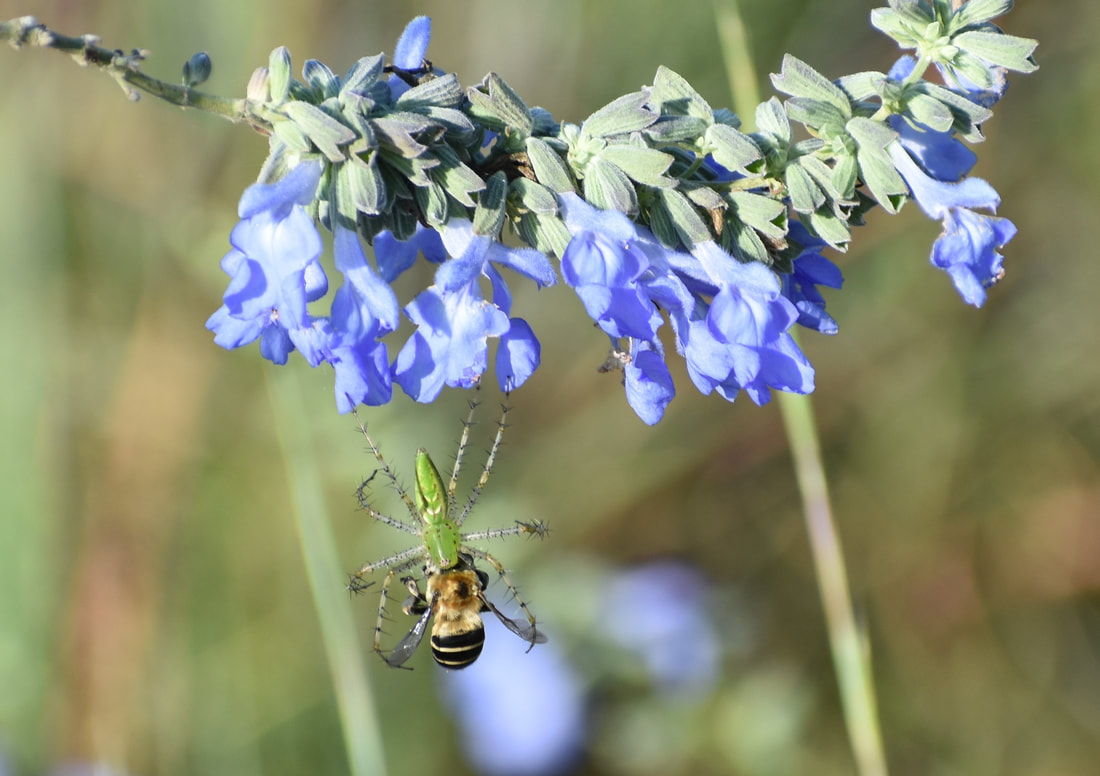
And one more flower, spider and bee picture that illustrates it's not all flowers and sunshine. It's real.

















 RSS Feed